
Selecting the right type of liquid filling machine is the most important step before investing. Each machine type is designed for specific liquids such as oil, thinner, phenyl, syrups, chemicals, cosmetics, and industrial fluids.
Choosing the wrong type leads to inaccurate filling, leakage, slow production, and higher operational cost. Choosing the right type ensures consistent output and long-term performance.
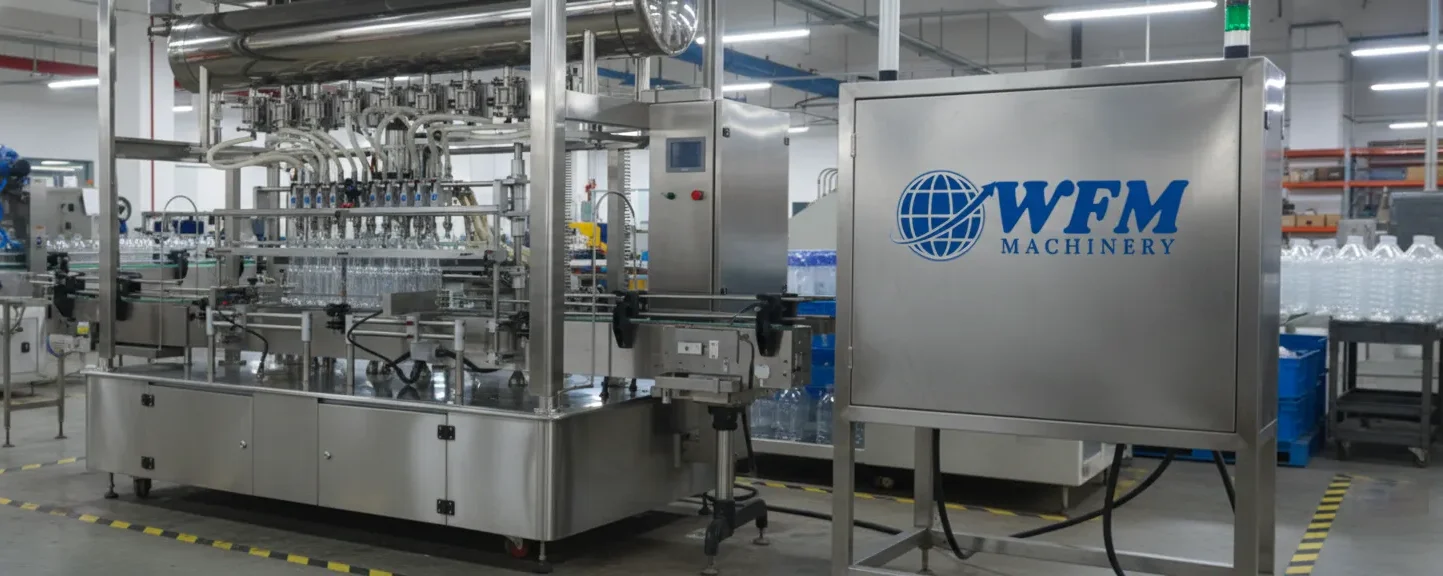
Main Types of Liquid Filling Machines
Volumetric Filling Machine
This is one of the most widely used machines across industries.
Best suited for:
- Oil such as edible oil, lubricant oil, hair oil
- Phenyl and cleaning liquids
- Chemical liquids
Key benefit:
- Accurate filling by volume regardless of minor variations
This is a reliable option for most general-purpose liquid filling applications.
Piston Filling Machine
Designed for thicker and semi-viscous liquids.
Best suited for:
- Ayurvedic syrups
- Pharma syrups
- Honey and food products
- Creams and gels
Key benefit:
- Strong suction and precise control for thick liquids
This machine ensures consistent filling even when the liquid does not flow easily.
Pump Filling Machine
Uses mechanical or servo-driven pumps to control filling.
Best suited for:
- Thinner and solvents
- Chemicals
- Medium viscosity liquids
Key benefit:
- Flexible and suitable for a wide range of liquids
Explosion-proof versions are used for flammable liquids like thinner.
Gravity Filling Machine
Uses gravity to fill free-flowing liquids.
Best suited for:
- Thin liquids such as oils and solvents
- Fast-flow applications
Key benefit:
- Simple design and cost-effective
Not suitable for thick liquids.
Overflow Filling Machine
Used when uniform fill level in bottles is important.
Best suited for:
- Transparent liquids
- Cosmetic and cleaning products
Key benefit:
- Consistent visual level in every bottle
Commonly used where product appearance matters.
Flow Meter Filling Machine
Uses advanced sensors to measure liquid flow.
Best suited for:
- High-value liquids
- Industrial oils
- Chemicals
Key benefit:
- Very high accuracy and automation
Suitable for high-speed and large-scale production.
Peristaltic Filling Machine
Uses tubing-based filling without direct contact.
Best suited for:
- Pharma syrups
- Sensitive liquids
- Small volume filling
Key benefit:
- Hygienic and contamination-free filling
Widely used in pharmaceutical applications.
Comparison of Filling Machine Types
| Machine Type | Best For | Liquid Type | Key Advantage |
|---|---|---|---|
| Volumetric | Oil, phenyl, chemicals | Medium | Accurate and versatile |
| Piston | Syrups, honey, creams | Thick | Handles viscous liquids |
| Pump | Thinner, chemicals | Thin to medium | Flexible and controlled |
| Gravity | Thin liquids | Low viscosity | Simple and low cost |
| Overflow | Cosmetic liquids | Thin | Uniform fill level |
| Flow Meter | Industrial liquids | Medium | High precision |
| Peristaltic | Pharma liquids | Sensitive | Hygienic filling |
How to Choose the Right Type
The correct machine depends on three factors:
- Liquid behavior (thin, medium, thick)
- Production requirement
- Industry standards such as safety or hygiene
For example:
- Oil and phenyl → volumetric machines
- Thinner → pump or explosion-proof systems
- Syrups → piston or peristaltic machines
- Cosmetics → piston or overflow machines
Common Mistakes Buyers Make
- Choosing a machine without considering liquid viscosity
- Using gravity filling for thick liquids
- Ignoring safety requirements for solvents
- Not considering hygiene for pharma products
These mistakes result in poor performance and higher maintenance.
Why WFM Machinery
WFM Machinery provides solutions based on actual product requirements. Machines are designed for oil, thinner, phenyl, syrups, chemicals, cosmetics, and industrial liquids with proper accuracy, durability, and safety.
Each machine type is recommended after understanding your production need, ensuring you get the right system without unnecessary cost.
Final Step
If you are selecting a filling machine, the right approach is to match the machine type with your product and production target.
Share your product type, filling volume, and daily output requirement to receive the correct machine recommendation, configuration, and quotation.
The right machine type ensures smooth production, accurate filling, and long-term reliability.