
Rising wages, workforce shortages, and increasing production targets are putting pressure on manufacturers to control costs. Packaging is one of the most labor-intensive areas in production often requiring multiple operators across shifts.
Packaging automation directly reduces labor costs while improving output, quality, and operational stability. Below is a clear, decision-focused breakdown for business owners, plant managers, and procurement teams.
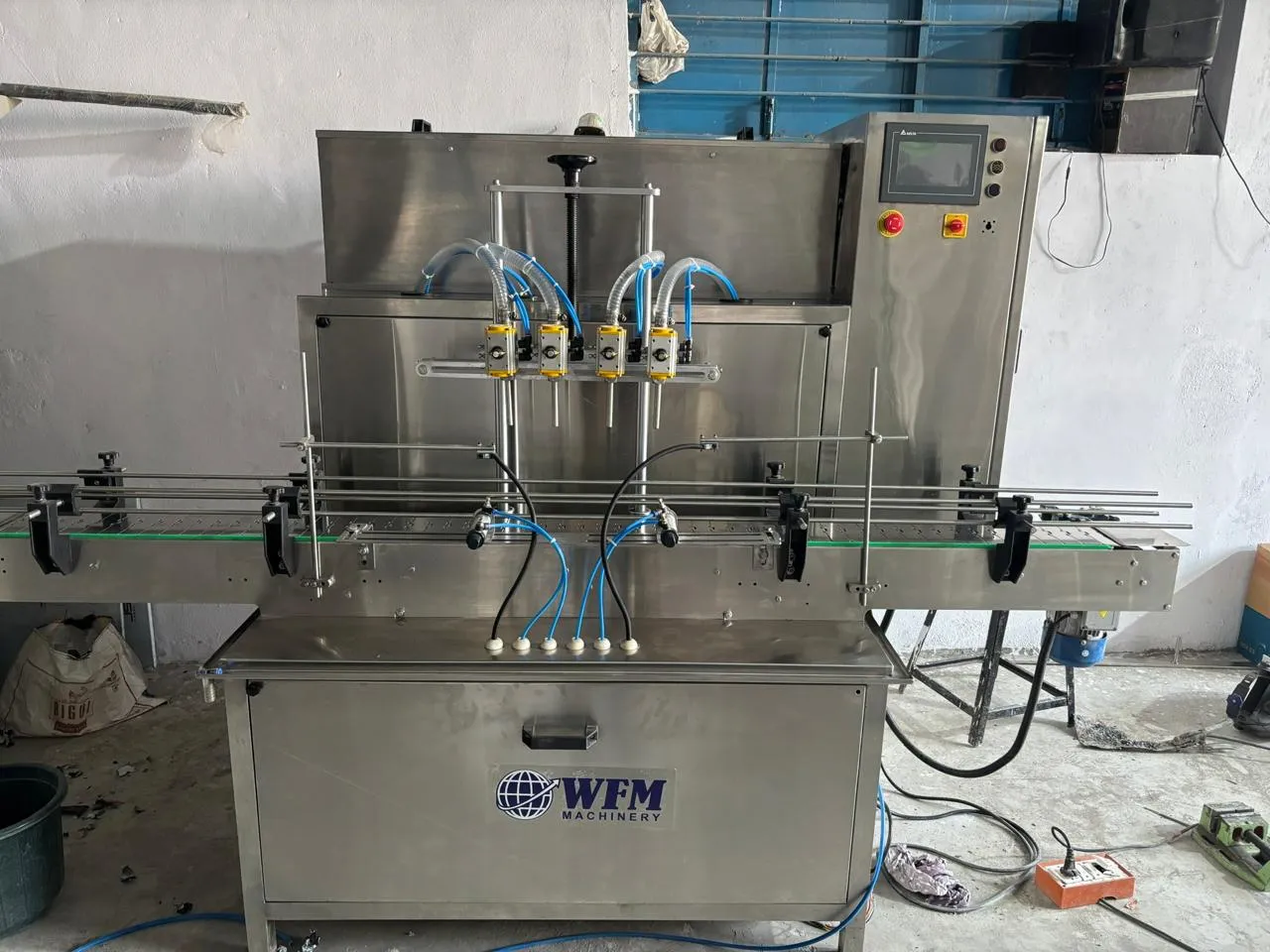
1. Direct Reduction in Workforce Requirement
Manual packaging lines typically require separate operators for:
- Filling
- Sealing
- Labeling
- Material handling
- Inspection
- Supervision
This results in 5–8 workers per shift, depending on output.
Automated systems consolidate these functions into one integrated machine.
Workforce Comparison
| Parameter | Manual Packaging | Automated Packaging |
|---|---|---|
| Workers per shift | 5–8 | 1–3 |
| Dependency on labor availability | Very High | Low |
| Fatigue impact | High | None |
| Shift replacement need | Continuous | Minimal |
Buyer Impact: Immediate payroll reduction and lower dependency on hiring.
2. Lower Cost Per Unit Produced
Automated machines operate:
- At consistent speed
- Without fatigue
- With minimal downtime
- With stable accuracy
Higher production in the same time reduces labor cost per unit.
Example Calculation
| Scenario | Manual Line | Automated Line |
|---|---|---|
| Units per hour | 800 | 2,000 |
| Workers per shift | 6 | 2 |
| Labor cost per hour | ₹3,600 | ₹1,200 |
| Cost per unit | ₹4.50 | ₹0.60 |
Buyer Impact: Significant reduction in cost per packaged product.
3. Reduced Rework and Wastage Costs
Manual packaging often leads to:
- Overfilling or underfilling
- Improper sealing
- Label misalignment
- Damaged packaging
Automation ensures:
- Accurate filling
- Uniform sealing
- Consistent labeling
- Better quality control
Cost Impact Comparison
| Issue | Manual Risk | Automated Risk |
|---|---|---|
| Product wastage | High | Very Low |
| Rework labor | Frequent | Rare |
| Customer complaints | Possible | Minimal |
Buyer Impact: Lower hidden labor costs spent correcting mistakes.
4. Reduced Hiring, Training & Supervision Costs
Manual operations require:
- Continuous recruitment
- Training new workers
- Managing absenteeism
- Supervisory oversight
Automated systems require:
- Limited operator training
- Minimal supervision
- Technical maintenance only
| Cost Area | Manual System | Automated System |
|---|---|---|
| Recruitment frequency | High | Low |
| Training expense | Recurring | One-time |
| Supervisor requirement | High | Reduced |
Buyer Impact: Stable operations without constant HR pressure.
5. Scalable Production Without Increasing Labor
When demand increases:
Manual systems require:
- Hiring additional workers
- Expanding shifts
- Increasing supervision
Automated systems scale by:
- Increasing machine speed
- Running longer shifts
- Adding integrated modules
| Growth Factor | Manual | Automated |
|---|---|---|
| Additional workers needed | Yes | No or Minimal |
| Output expansion cost | High | Moderate |
| Long-term profitability | Limited | Strong |
Buyer Impact: Business growth without proportional labor cost increase.
6. Improved Workplace Safety
Automation reduces:
- Heavy material handling
- Repetitive strain injuries
- Exposure to hot sealing equipment
- Accident risks
Lower workplace incidents mean:
- Reduced compensation claims
- Lower absenteeism
- Stable production continuity
Buyer Impact: Indirect but significant labor-related savings.
Return on Investment (ROI) Overview
Most manufacturers recover automation investment within 12–24 months through:
- Payroll reduction
- Increased production capacity
- Lower wastage
- Reduced error correction labor
- Improved operational efficiency
Is Packaging Automation Right for Your Business?
Automation is ideal if:
- Labor costs are increasing annually
- Workforce availability is unstable
- Production targets are rising
- Quality consistency is critical
- You want scalable long-term growth
Finalization of Machine
WFM Machinery provides reliable, high-performance packaging automation solutions tailored to manufacturing needs. Our machines are designed to:
- Reduce labor dependency
- Increase production speed
- Improve packaging accuracy
- Deliver long-term cost efficiency
We help manufacturers transition from labor-heavy operations to smart, automated production systems that protect margins and support growth.
For detailed cost analysis or machine recommendations, contact WFM Machinery and optimize your packaging line for maximum efficiency.