
Setting up a complete bottle packaging line requires more than purchasing individual machines. It involves engineering planning, machine synchronization, production optimization, and long-term scalability.
This guide is designed for industrial buyers looking for accurate, practical, and investment-focused information before starting a bottling plant.
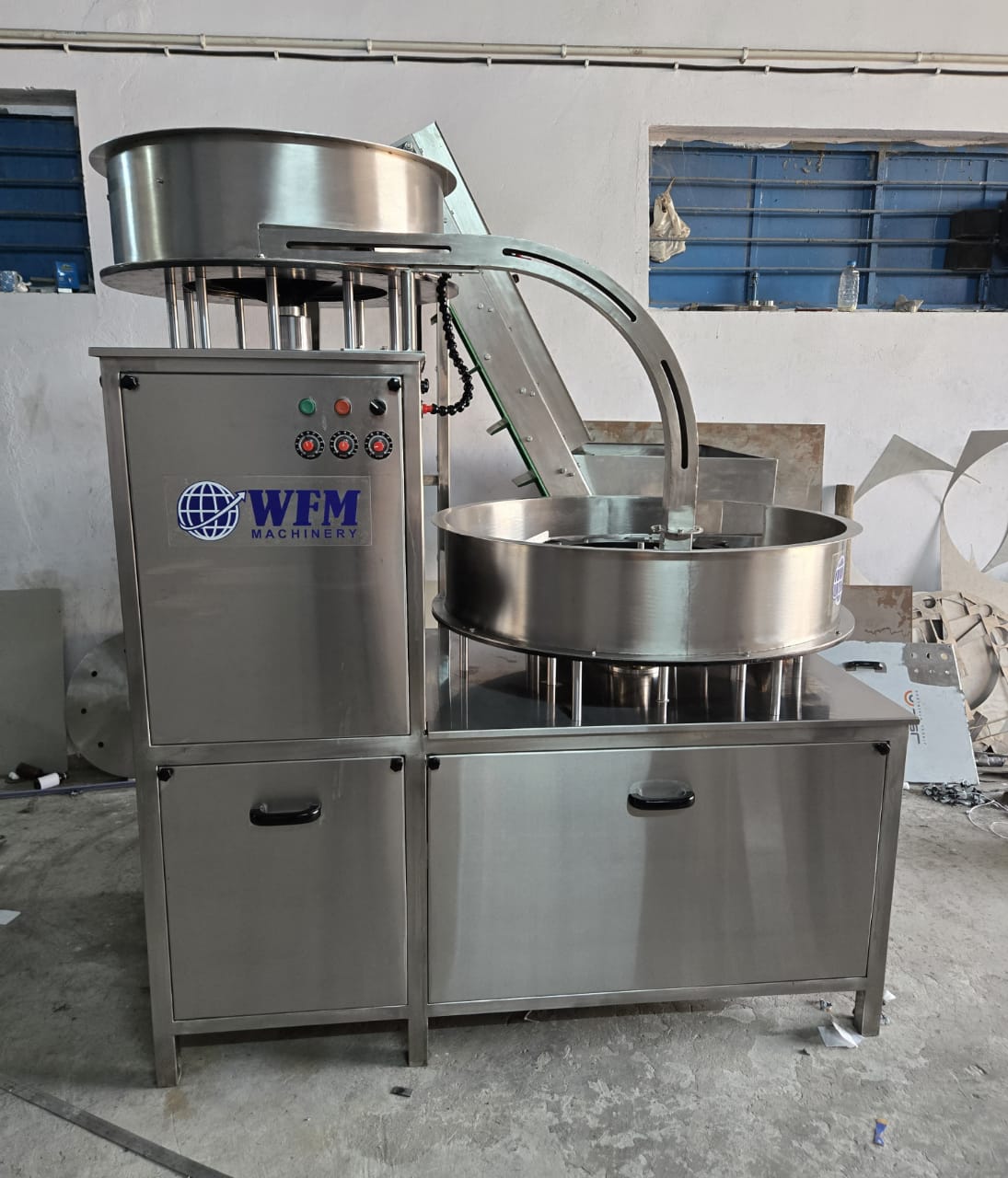
What Is a Complete Bottle Packaging Line?
A complete bottle packaging line is an integrated system that performs:
Bottle Feeding → Cleaning → Filling → Capping → Sealing → Labeling → Coding → Final Packing → Dispatch
Each stage must be synchronized to avoid production loss and bottlenecks.
Step-by-Step Bottle Packaging Line Setup
1. Define Production Requirements
Before selecting equipment, determine:
-
Product type (Water, Juice, Edible Oil, Chemicals, Pharma)
-
Bottle material (PET, HDPE, Glass)
-
Bottle sizes (200 ml – 5 L)
-
Target output (Bottles Per Minute / Hour)
-
Automation level
-
Future expansion requirements
Incorrect planning leads to overspending or production limitations.
2. Bottle Manufacturing (Optional)
If using PET bottles, you may:
Option A: Manufacture Bottles In-House
Required systems:
-
PET Preform Feeding System
-
Heating Oven
-
Stretch Blow Molding Machine
-
High-Pressure Air Compressor
Benefits:
-
Lower long-term bottle cost
-
Better quality control
-
Custom bottle design flexibility
Option B: Purchase Ready-Made Bottles
-
Lower initial investment
-
Faster plant startup
-
Ideal for new businesses
3. Bottle Washing / Rinsing
Ensures hygiene and contamination-free filling.
Available systems:
-
Air Rinsing (dust removal)
-
Water Rinsing
-
Chemical Washing (pharma/chemical use)
For food and water industries, hygiene compliance is mandatory.
4. Filling Machine – Core of the Line
The filling system determines plant efficiency and profitability.
| Product Type | Filling Technology |
|---|---|
| Water | Gravity Filling |
| Juice | Volumetric Filling |
| Edible Oil | Flow Meter / Volumetric |
| Thick Liquids | Piston Filling |
| High Accuracy | Servo Controlled Filling |
Capacity options:
-
10–20 BPM (Semi-Automatic)
-
30–60 BPM (Mid-Range Automatic)
-
100+ BPM (High-Speed Line)
Filling accuracy tolerance typically ranges from ±1% to ±0.5% depending on configuration.
5. Capping Machine
The capping system must match:
-
Bottle neck finish
-
Cap design
-
Required torque strength
Common cap types:
-
Screw Cap
-
ROPP Cap
-
Press Fit Cap
-
Lug Cap
Improper capping leads to leakage and product returns.
6. Induction Sealing (If Required)
Used for:
-
Edible Oil
-
Pharmaceuticals
-
Chemicals
Provides tamper-proof protection and leak prevention.
7. Labeling & Branding
Labeling options:
-
Sticker Labeling Machine
-
Shrink Sleeve Labeling Machine
-
Wrap-Around Labeling Machine
Machine selection depends on bottle shape and branding requirements.
8. Batch Coding & Traceability
Inline coding systems print:
-
Batch Number
-
Manufacturing Date
-
Expiry Date
-
MRP
Inkjet and laser coding systems are commonly integrated.
9. Final Packing System
Options include:
-
Shrink Wrapping (6 / 12 bottle packs)
-
Tray Packing
-
Corrugated Carton Packing
Final packaging depends on logistics and distribution strategy.
Infrastructure & Utility Requirements
A standard bottling plant requires:
-
1500–4000 sq ft production space
-
3-Phase industrial electricity
-
Air compressor system
-
Stainless steel contact parts (SS 304 / SS 316)
-
Drainage & hygiene setup
-
Skilled operators
Estimated Investment in India (2026)
| Line Type | Capacity | Approximate Cost |
|---|---|---|
| Semi-Automatic | 10–20 BPM | ₹8–15 Lakhs |
| Automatic Line | 30–60 BPM | ₹25–60 Lakhs |
| High-Speed Plant | 100+ BPM | ₹1–3 Crore |
Actual cost varies depending on customization and product type.
Industry-Specific Bottle Packaging Lines
Mineral Water Bottling Line
Requires:
-
Water treatment system
-
Rinsing-Filling-Capping monoblock
-
High-speed labeling
Edible Oil Packaging Line
Requires:
-
Volumetric or flow meter filling
-
Induction sealing
-
Heavy-duty capping torque system
Chemical Packaging Line
Requires:
-
Corrosion-resistant components
-
Chemical-grade sealing
-
Safety-compliant design
Pharmaceutical Bottle Packaging Line
Requires:
-
High accuracy filling
-
Cleanroom compatibility
-
Regulatory compliance features
Why Proper Engineering Matters
A bottle packaging line is not just equipment — it is a synchronized production system. Poor integration results in:
-
Production bottlenecks
-
High wastage
-
Inconsistent filling
-
Maintenance issues
Proper planning ensures long-term profitability and operational stability.
Complete Turnkey Solutions
For industrial buyers seeking reliable turnkey execution, technical consultation, customized layouts, and long-term service support, WFM Machinery provides complete bottle packaging line setup solutions — from planning and manufacturing to installation and commissioning.
If you share your product type, bottle size, and required capacity, a customized configuration and project estimate can be prepared accordingly.