
In high-speed bottling plants, bottle feeding is not just a starting point—it is the foundation of the entire production line. When bottle flow is unstable, every downstream process is affected, from filling to packaging.
For buyers, most feeding issues are not unexpected—they are the result of poor system design, weak integration, or lack of control. Understanding these problems helps you invest in a system that delivers consistent output, minimal downtime, and long-term reliability.
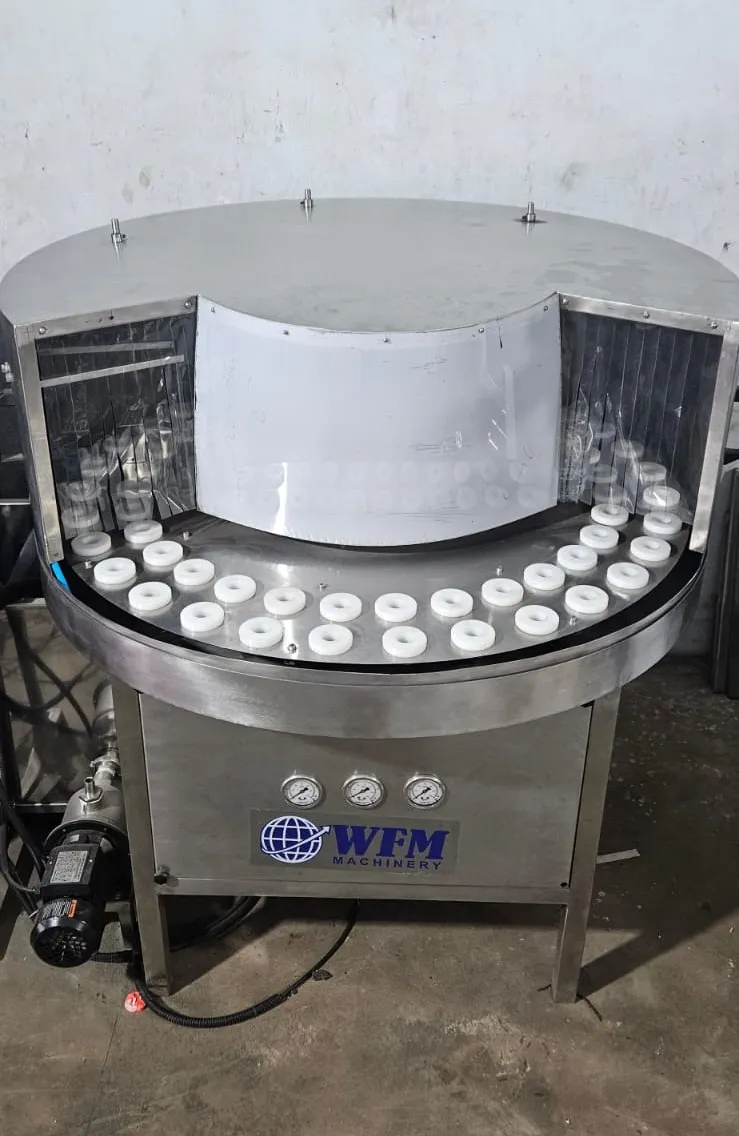
Bottle Tipping and Instability
Bottle tipping is one of the most common causes of disruption in bottling lines. At high speeds, even a slight imbalance can cause bottles to fall, block the conveyor, and stop production.
This usually happens due to lightweight bottles, uneven base design, or incorrect guide rail settings. Once a bottle tips, it often leads to a chain reaction, affecting multiple bottles behind it.
The impact is immediate—line stoppages, product damage, and manual intervention. Over time, this reduces efficiency and increases operating costs.
A stable feeding system keeps bottles properly aligned and supported, ensuring smooth movement throughout the line.
Irregular Bottle Flow and Spacing
Consistent bottle spacing is essential for smooth operation. When bottles are too close or unevenly spaced, they collide, overlap, or create pressure zones.
This typically occurs when the infeed system is not properly designed or when conveyor speeds are not synchronized. Bottles reach downstream machines in clusters instead of a steady flow.
The result is frequent jamming, reduced efficiency, and increased wear on machine components.
A well-designed system maintains controlled spacing, allowing each bottle to move independently and smoothly.
Conveyor Misalignment
The conveyor system connects every stage of the bottling line. If it is not properly aligned, the entire process becomes unstable.
Misalignment can come from incorrect guide rail positioning, uneven conveyor levels, or poorly designed transitions between sections. Bottles may rub against surfaces, tilt, or get stuck.
This leads to repeated jams, breakage, and higher maintenance requirements.
A precision-engineered conveyor system ensures smooth transitions, correct alignment, and minimal friction, allowing continuous bottle flow.
Speed Imbalance Across the Line
A bottling line must operate as a synchronized system. When different sections run at different speeds, problems quickly appear.
If upstream equipment moves faster, bottles accumulate and create pressure. If downstream machines are faster, gaps appear and reduce efficiency.
This imbalance leads to instability, frequent stoppages, and inconsistent production.
An integrated system keeps all stages aligned in speed, maintaining a steady and controlled flow from start to finish.
Lack of Real-Time Monitoring
Without proper monitoring, small issues go unnoticed until they become major problems. Bottle accumulation, irregular flow, or minor misalignment can quickly escalate.
Relying only on manual observation is not effective in high-speed environments.
This leads to delayed response, severe jams, and unnecessary downtime.
Modern systems use sensors to track bottle movement in real time. These systems detect issues early and take corrective action before production is affected.
Inconsistent Bottle Quality
Bottle design and consistency play a critical role in feeding performance. Variations in size, shape, or weight directly affect how bottles move on the line.
Weak or uneven bases increase the risk of tipping. Deformed bottles disrupt alignment and create flow interruptions.
These issues result in higher rejection rates, unstable flow, and increased waste.
A reliable system works best when bottle quality is consistent and aligned with machine design.
Operator Dependency and Human Error
In many plants, operators are required to manage bottle flow manually. While necessary in some cases, high dependency on manual input increases the risk of errors.
Incorrect adjustments, delayed reactions, and inconsistent handling can all contribute to feeding problems.
This leads to more downtime, reduced efficiency, and higher labor involvement.
Systems designed with automation and simple controls reduce operator dependency and improve consistency.
What Buyers Should Focus On
To avoid recurring feeding problems, buyers need to evaluate the system as a whole, not just individual machines.
Key factors to consider:
- Whether the line is designed as a fully integrated system
- How bottle stability is maintained at high speeds
- The level of synchronization across all stages
- Conveyor design and alignment quality
- Availability of real-time monitoring and sensors
- Ease of maintenance and access
- Reliability of after-sales support
A well-evaluated system prevents problems before they occur.
A Complete Solution Approach
A reliable bottle feeding system is built on integration, not isolated components. Every part of the system must work together to ensure smooth flow.
An effective solution includes:
- Stable and controlled bottle entry into the line
- Balanced speeds across all machines
- Smooth and aligned conveyor movement
- Continuous monitoring of bottle flow
- Durable components that reduce maintenance needs
- Simple, operator-friendly controls
When these elements are combined, the system becomes stable, efficient, and predictable.
Final Takeaway
Bottle feeding problems are not random—they are the result of design gaps.
When the feeding system is properly engineered, the entire production line performs better. Flow becomes stable, downtime reduces, and output becomes consistent.
For buyers, the goal is not just to solve current problems, but to prevent future ones.
Investing in the right system ensures long-term efficiency, lower operational costs, and reliable high-speed performance.