
Pharmaceutical syrup manufacturing is not ordinary liquid packaging. It requires extreme precision, strict hygiene standards, regulatory compliance, and consistent dosing accuracy. A small deviation in filling can result in batch rejection, regulatory penalties, and loss of brand credibility.
If you are planning to invest in a filling machine for pharmaceutical syrups, this guide will help you make an informed and profitable decision.
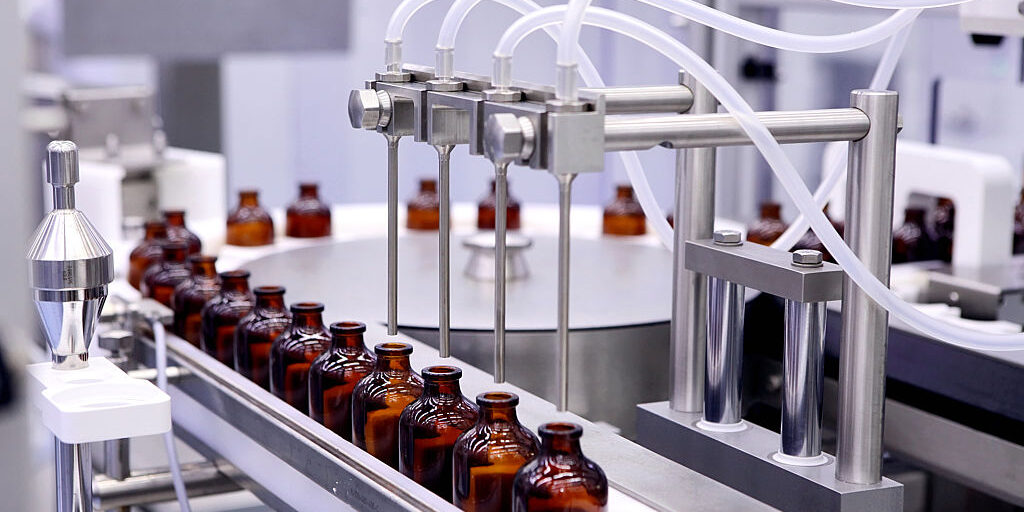
Why Syrup Filling Requires Specialized Machines
Pharmaceutical syrups differ from regular liquids because they are:
-
More viscous (thicker consistency)
-
Sugar-based or suspension-based
-
Sensitive to contamination
-
Subject to GMP regulations
-
Required to meet dosage accuracy standards
Using a general-purpose liquid filling machine can lead to inconsistent fills, dripping, contamination risks, and compliance issues. A pharmaceutical-grade filling system is specifically engineered to address these challenges.
Types of Filling Machines Suitable for Syrups
Piston Filling Machines
Piston fillers are ideal for medium to high viscosity syrups. They measure volume mechanically and dispense precise quantities into each bottle.
Best for:
-
Sugar syrups
-
Herbal syrups
-
Thick suspensions
Advantages:
-
High volumetric accuracy
-
Stable performance for viscous liquids
-
Reliable repeatability
Servo-Based Filling Machines
Servo-driven machines use advanced motor control systems and PLC automation to achieve superior precision and speed.
Best for:
-
High-volume pharmaceutical plants
-
Multi-head automatic lines
-
Export-oriented production
Advantages:
-
Extremely low filling deviation
-
Faster production speed
-
Touchscreen control with recipe settings
-
Easy integration into full packaging lines
Accuracy Standards in Pharmaceutical Filling
In pharmaceutical production, accuracy is non-negotiable.
Typical expectations:
-
Filling deviation within ±1% or better
-
No dripping or foaming
-
Uniform fill level across batches
Underfilling leads to regulatory issues. Overfilling increases product loss and reduces profitability. Over time, even small inaccuracies can cost significant amounts in wastage.
GMP and Regulatory Compliance Requirements
When purchasing a syrup filling machine, ensure it meets pharmaceutical manufacturing standards:
-
GMP-compliant design
-
SS 304 or SS 316 contact parts
-
No dead corners where product can accumulate
-
Easy cleaning and dismantling
-
Compatibility with validation processes (IQ, OQ documentation)
Machines designed without compliance in mind can create major approval challenges during audits.
Integration with Complete Packaging Line
A pharmaceutical syrup line typically includes:
-
Bottle feeding system
-
Filling machine
-
ROPP or screw capping machine
-
Induction sealing system
-
Labeling machine
-
Inspection conveyor
Investing in an integrated automatic line improves:
-
Hygiene control
-
Production consistency
-
Labor efficiency
-
Traceability and quality assurance
Production Capacity Planning
Before finalizing your machine, calculate:
-
Required bottles per minute
-
Current daily production
-
Future expansion plans
-
Available floor space
-
Shift operations
Many buyers select machines based only on current demand. Upgrading within a short period increases cost and disrupts operations. Choose equipment that supports at least 20–30% future growth.
Cleaning and Maintenance Considerations
Pharmaceutical machines must allow:
-
Quick cleaning
-
Optional CIP (Clean-in-Place) systems
-
Tool-less changeovers
-
Easy access to product-contact parts
Regular preventive maintenance increases machine life and ensures consistent performance.
Common Buying Mistakes to Avoid
-
Choosing based solely on price
-
Ignoring accuracy specifications
-
Overlooking GMP compliance
-
Not verifying material grade certificates
-
Failing to plan for scalability
-
Purchasing without understanding service support availability
A pharmaceutical filling machine is a long-term capital investment. The lowest initial cost often results in higher long-term expenses.
Frequently Asked Questions
What type of filling machine is best for pharmaceutical syrups?
Piston and servo-based filling machines are most suitable. The choice depends on syrup viscosity and required production speed.
What filling accuracy is required in pharma manufacturing?
A pharmaceutical-grade filling machine should provide ±1% or better accuracy.
Can one filling machine handle multiple bottle sizes?
Yes. With appropriate change parts and adjustments, one machine can handle different bottle capacities.
Is stainless steel mandatory for syrup filling machines?
Yes. SS 304 or SS 316 is recommended for all product-contact parts to ensure hygiene and compliance.
How much does a pharmaceutical syrup filling machine cost?
The cost depends on automation level, speed, number of filling heads, and compliance requirements. It should always be evaluated based on long-term return on investment rather than just initial price.
Final Recommendation for Buyers
When selecting a filling machine for pharmaceutical syrups, focus on:
-
Accuracy
-
Compliance
-
Scalability
-
Service support
-
Build quality
This purchase directly impacts product quality, regulatory approval, operational efficiency, and profitability. Choose a solution that supports both your current production needs and future growth plans.