
If you are planning to purchase a liquid filling machine, you are not just choosing a technology. You are deciding how accurately your product will be filled, how much wastage you may experience, how easy cleaning will be, and how stable your production line will run over the next several years.
Many buyers get confused because both Flow Meter and Piston Filling Machines claim high accuracy. The real difference is not about which one is better. It is about which one fits your product and production environment.
This guide is written to help you make a confident and practical decision.
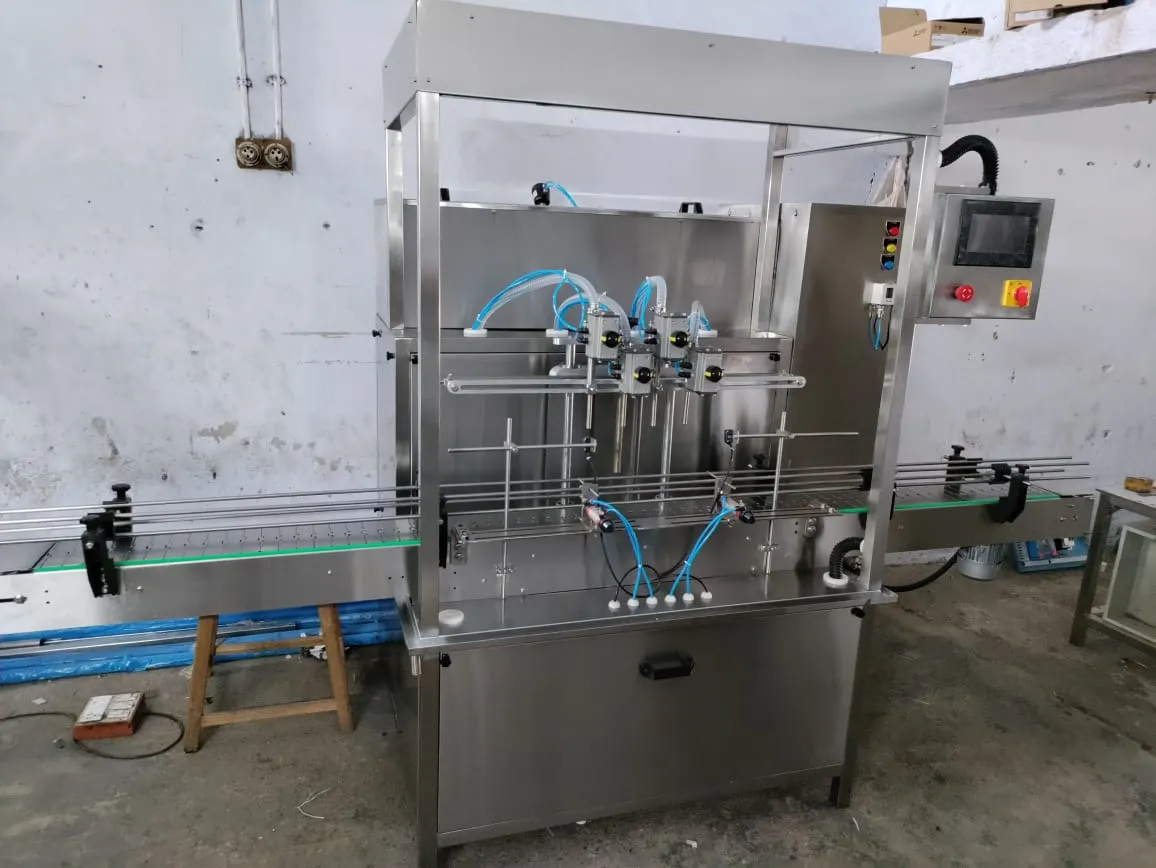
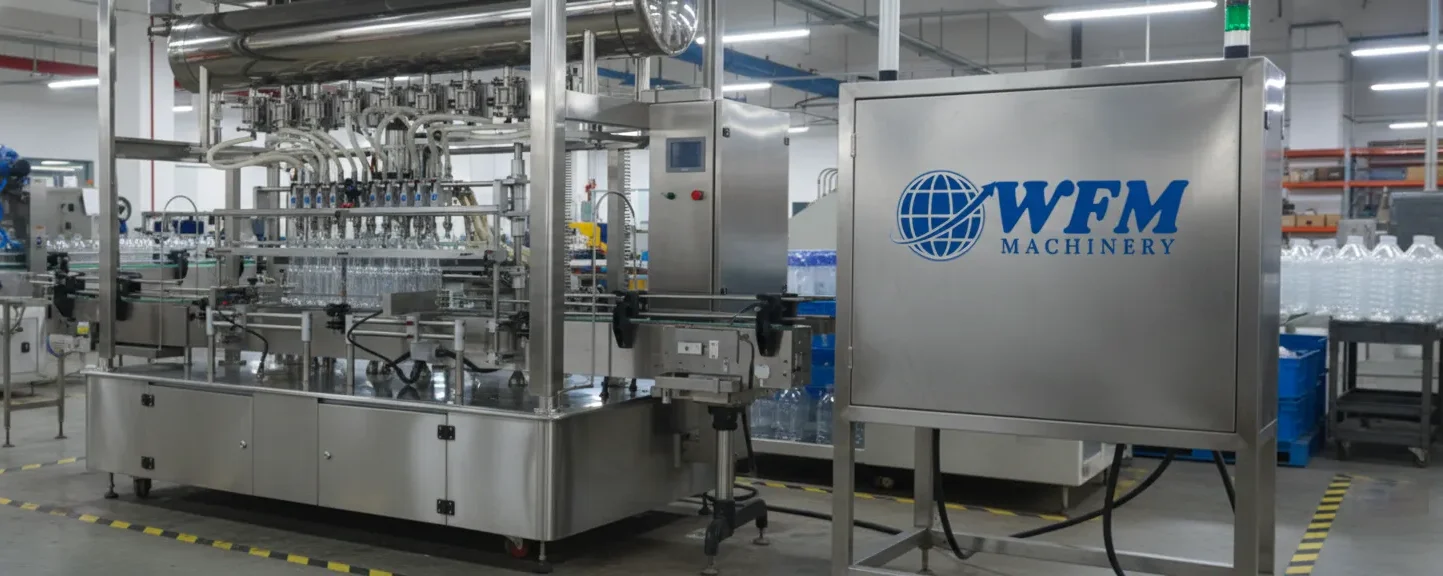
Step One: Understand Your Product Before Choosing the Machine
Before comparing machines, answer these questions:
- Is your liquid thin like oil or water?
- Is it thick like syrup, honey, cream, or gel?
- Does viscosity change from batch to batch?
- What is your daily production target?
- How often do you change products?
Your liquid’s behavior is the most important factor.
How a Flow Meter Filling Machine Works (In Simple Terms)
A Flow Meter Filling Machine measures the liquid electronically as it flows through a meter. The system calculates the exact volume passing through and stops filling automatically at the preset level.
This method works extremely well when the liquid flows smoothly and consistently.
Best suited for:
- Edible oil
- Water
- Juice
- Solvents
- Thin chemicals
If your product flows freely, flow meter technology offers speed and precision.
How a Piston Filling Machine Works (In Simple Terms)
A Piston Filling Machine uses a cylinder and piston to physically draw a fixed volume of liquid and then push it into the bottle.
This method does not rely on free flow. It controls the volume mechanically.
Best suited for:
- Pharmaceutical syrup
- Honey
- Cosmetic cream
- Lotion
- Gel
- Paste
If your product is thick or semi-viscous, piston filling gives better stability.
Clear Comparison for Buyers
| Buying Factor | Flow Meter Filling | Piston Filling |
|---|---|---|
| Ideal Liquid Type | Thin & free-flowing | Thick & semi-viscous |
| Accuracy Stability | Excellent for thin liquids | Excellent for thick liquids |
| High-Speed Lines | Very suitable | Moderate to high |
| Viscosity Flexibility | Limited for thick products | Handles wide viscosity range |
| Cleaning Ease | Easier for light liquids | Requires chamber cleaning |
| Maintenance Type | Sensor calibration | Seal & piston wear replacement |
| Changeover Volume Adjustment | Digital setting | Mechanical adjustment |
Accuracy and Product Wastage – Where Buyers Lose Money
If your product cost is high, even small overfilling becomes expensive over time.
For thin liquids like edible oil, flow meter systems measure in real time and reduce giveaway.
For thicker liquids like syrup or cream, piston systems maintain consistent volume regardless of flow resistance.
Choosing the wrong system for your liquid can cause variation and wastage.
Production Speed – Does It Matter for You?
If you run high-volume edible oil or water lines, flow meter systems often support faster filling speeds.
If you are filling creams, gels, or honey, piston systems provide stable control even if speed is slightly lower.
Speed should match your market demand. Higher speed is only beneficial if your sales volume supports it.
Cleaning and Changeover – Hidden Time Cost
If you frequently switch products:
Flow meter systems are usually easier to clean when handling thin liquids.
Piston systems require cleaning of chambers and seals, especially when products are sticky.
If your plant handles multiple thick SKUs daily, cleaning time should be part of your decision.
Maintenance Planning – What to Expect
Flow meter machines involve electronic sensors. Maintenance usually focuses on calibration and ensuring measurement accuracy.
Piston machines involve mechanical components like seals and O-rings. These parts wear over time and need periodic replacement.
Neither is maintenance-free. The difference is electronic care versus mechanical wear.
Real Buyer Situations
If you are an edible oil manufacturer running continuous production, a flow meter system is usually more efficient and reduces product giveaway.
If you are a pharmaceutical company filling syrup, a piston filling machine gives stable volumetric dosing.
If you manufacture cosmetic creams with varying thickness, piston technology is generally safer.
If you fill solvents or water-based chemicals, flow meter systems provide speed and precision.
Frequently Asked Questions
Which machine is more accurate?
Both are highly accurate when matched correctly, with flow meters ideal for thin liquids and pistons better for thicker products.
Can one machine handle both thin and thick products?
Piston systems generally handle a wider viscosity range more effectively.
Which machine is better for edible oil?
Flow meter filling machines are usually preferred for edible oil due to speed and precise flow measurement.
Which machine is better for syrup?
Piston filling machines are typically better for syrup because they control volume mechanically.
Which machine is suitable for creams and gels?
Piston filling machines are more suitable for thick and semi-viscous products like creams and gels.
Which machine works best for water or juice?
Flow meter systems perform best for free-flowing liquids like water and juice.
Which machine gives faster ROI?
Flow meters offer faster ROI in high-volume thin liquid production, while pistons protect profit margins in thicker, high-value products.
Which system is easier to operate?
Flow meter machines are easier to adjust digitally, while piston systems may require mechanical volume adjustments.
Which machine is better for high-speed production lines?
Flow meter systems are generally more suitable for very high-speed thin liquid applications.
Which machine is easier to clean?
Flow meter systems are usually easier to clean for thin liquids, while piston systems require cleaning of chambers and seals.
Which machine has lower maintenance cost?
Flow meter systems require sensor calibration, while piston systems require periodic seal replacement; maintenance cost depends on product type and usage.
Which machine is better for products with varying viscosity?
Piston filling machines are more stable when viscosity varies between batches.
Is flow meter filling suitable for thick honey?
No, piston filling is generally more reliable for thick honey.
Can flow meter machines handle foamy liquids?
They can, but special filling controls may be required to manage foam.
Does piston filling cause product damage?
No, piston systems are gentle when properly designed and suitable for most viscous products.
Which machine consumes less energy?
Energy consumption depends on configuration, but both systems are efficient when properly sized.
Which machine is better for small production units?
Piston systems are often preferred for small-scale thick product production.
Which machine supports faster volume changeover?
Flow meter systems allow quicker digital adjustments.
Which machine is more future-proof?
The machine that matches your product type and projected production growth is the most future-proof choice.
How do I choose between the two?
Choose based on viscosity, production volume, product value, cleaning frequency, and long-term scalabil
Simple Decision Guide
Choose Flow Meter Filling Machine if:
- Your liquid is low viscosity
- You run high-speed production
- You want digital volume adjustment
- Flow behavior is stable and consistent
Choose Piston Filling Machine if:
- Your product is thick or semi-viscous
- You fill syrup, gel, cream, honey, or lotion
- You need stable volumetric control
- Viscosity may vary between batches
Final Advice Before You Invest
Do not choose based on trend or marketing.
Choose based on:
Your liquid’s viscosity
Your daily output requirement
Your product cost per unit
Your cleaning frequency
Your long-term production plan
When the machine matches the product behavior, operations become smooth and predictable.
If you share your product type, viscosity range, and daily output, a clearer recommendation can be made without confusion.